

Key Takeaways
- Low vision is sight loss that glasses, contacts, or surgery can’t fully correct
- It includes central vision loss, side vision loss, and night blindness
- Common causes include macular degeneration, glaucoma, diabetic retinopathy, and in some cases, cataracts
- A comprehensive eye exam can detect changes early
- Practical tools and professional support can help you stay independent
Maybe you put on your glasses, and the world around you still looks unclear. Text on your phone is blurry no matter how you angle the page, faces across the room are hard to recognize, and driving feels unsettling. At Woodstock Vision Care, we know this can be frustrating, which is why we’re here to help you understand what may be going on.
Low vision is a level of sight loss that glasses, contact lenses, or surgery can’t fully correct, though it doesn’t mean total blindness. Our team offers comprehensive eye care to help your family get the care you need.
What Causes Low Vision?
Low vision refers to permanent or long-term vision loss that cannot be fully corrected with standard glasses, contact lenses, medication, or surgery. It usually develops from an underlying eye condition, such as age-related macular degeneration, glaucoma, and in some cases, cataracts.
Diabetic retinopathy, a complication of diabetes that becomes more likely over time and with poorer blood sugar control, is another frequent factor. In other cases, low vision may result from an eye injury or from conditions present from birth.
The cause matters because it shapes how the condition is managed and what kind of support can help. Our team can diagnose eye disease and help your family move forward with management options.
Signs That Your Vision May Have Changed
Common Symptoms to Watch For
Some changes in vision are gradual, which makes them easy to brush off as just needing a stronger prescription at first. But certain signs point to something that a lens update alone won’t fix.
If you notice any of these symptoms, it may be time to schedule an appointment with our team:
- Blurry or hazy vision that doesn’t clear up with glasses or contacts
- Trouble recognizing faces or seeing fine details
- Difficulty reading screens, printed text, or seeing clearly in low-light spaces
Types of Vision Loss
Low vision doesn’t look the same for everyone. The type of loss you experience depends on which part of your vision is affected.
Central vision loss affects what’s directly in front of you, making tasks like reading or watching faces harder. Peripheral vision loss limits your side sight, which can affect how safely you move through spaces. Some people also experience reduced vision in dim lighting or at night.
Each type affects daily life differently, and knowing which one applies to you helps guide the right support.
How Low Vision Gets Detected
What Happens at an Eye Exam
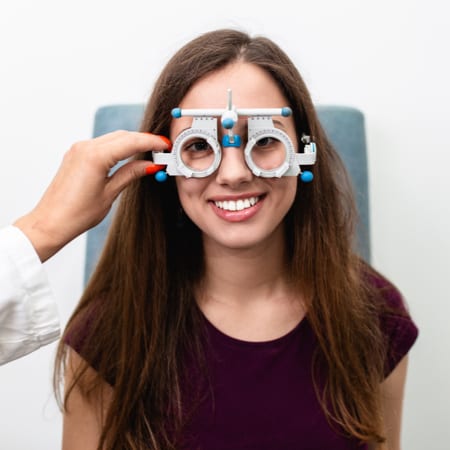
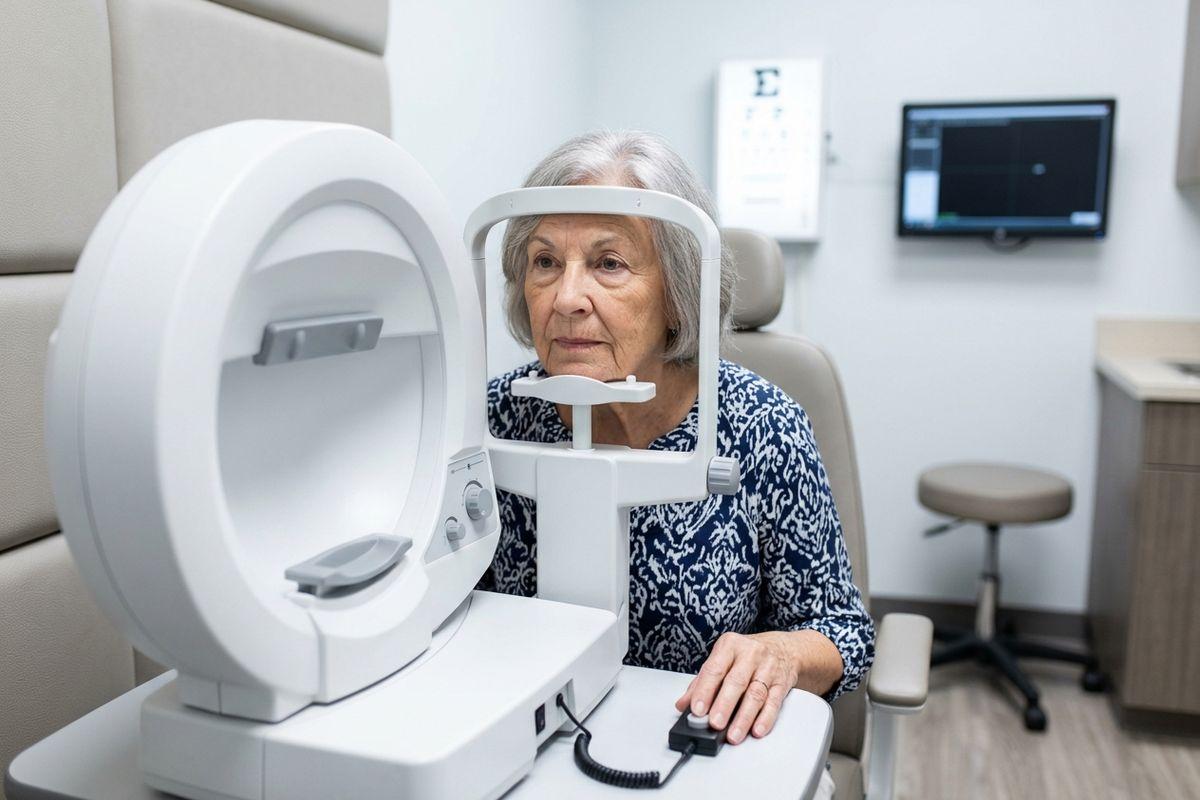
A thorough eye exam looks at more than just how clearly you can read letters on a chart. Our eye care team checks both near and distance vision and tests your visual field to measure your full range of sight. We may use a dilated exam to look for signs of underlying conditions affecting the retina (at the back of the eye) or optic nerve (which sends signals to the brain).
These steps help build a clear picture of what’s happening with your overall visual health.
When to Book an Eye Exam
Regular eye exams are one of the most practical ways to catch vision changes before they become harder to manage. Our Woodstock optometrist can assess your vision at any age, whether you’re noticing new symptoms or just keeping up with routine care.
Many eye diseases have more options for management and treatment in the early stages, which is why early detection is so important. If something feels off with your vision, we strongly encourage you to book an appointment online.
Living Well and Making the Most of Your Sight
Practical Tools and Adjustments
Low vision doesn’t mean giving up the activities that matter to you. A number of practical tools can make a real difference in your day-to-day life. Your eye doctor may recommend options like:
- Magnifying lenses for reading and close-up tasks
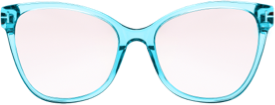
- Brighter lighting and anti-glare sunglasses for comfort outdoors
- Larger text settings and high-contrast display options on phones and computers
Vision Rehabilitation and Professional Support
Beyond tools, vision rehabilitation professionals can help you adjust your routines and maintain your independence. When managing low vision, the focus is on working with the sight you have, not just the sight you’ve lost. Vision rehabilitation programs use structured techniques to help you adapt and stay functional in daily tasks.
Book Your Next Visit Today
At Woodstock Vision Care, we can help guide you toward the right care path, whether that means a comprehensive eye exam, a referral, or connecting you with resources suited to your situation. Book your appointment today and take the next step in your vision journey.