
Key Takeaways
- Red eyes are often linked to dry eyes, allergies, screen fatigue, or environmental irritants.
- Infections like pink eye and conditions like blepharitis are common eye-related causes.
- Contact lens habits, including overwearing and sleeping in lenses, can lead to irritation.
- Sudden eye pain, vision changes, or thick discharge need prompt professional attention.
- Simple home habits and regular eye exams can help keep redness under control.
Why Your Eyes Look Red
You wake up, glance in the mirror, and notice your eyes look bloodshot. Maybe it happened after a long day on screens, or you’re not sure what set it off at all. It’s a frustrating thing to deal with, especially when it keeps coming back. Woodstock Vision Care sees this concern regularly. Because many conditions can cause redness, the pattern of symptoms and an eye examination may be needed to identify the source.
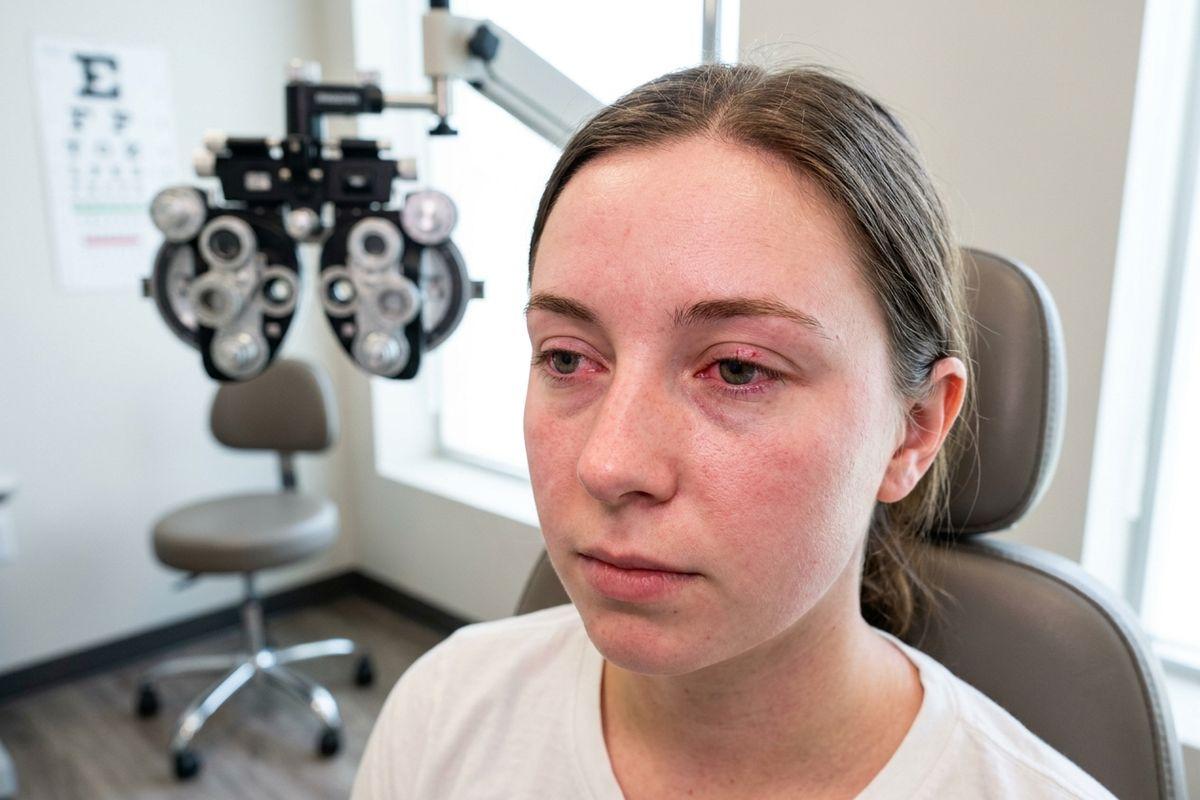
Red eyes happen when the small blood vessels on the surface of your eye become irritated or swollen, making them more visible against the white of your eye. The cause can be as simple as a bad night’s sleep or as serious as an eye infection that needs treatment. Knowing what is behind the redness helps determine the right next step, and a comprehensive eye exam is often a practical way to sort out recurring or concerning symptoms.
Common Causes of Red Eyes
Everyday Factors
A lot of everyday habits and conditions can leave your eyes looking red by the end of the day. These are some of the most frequent ones to consider.
- Dry eyes from low tear production or fast tear evaporation
- Allergies from pollen, pet dander, or dust mites
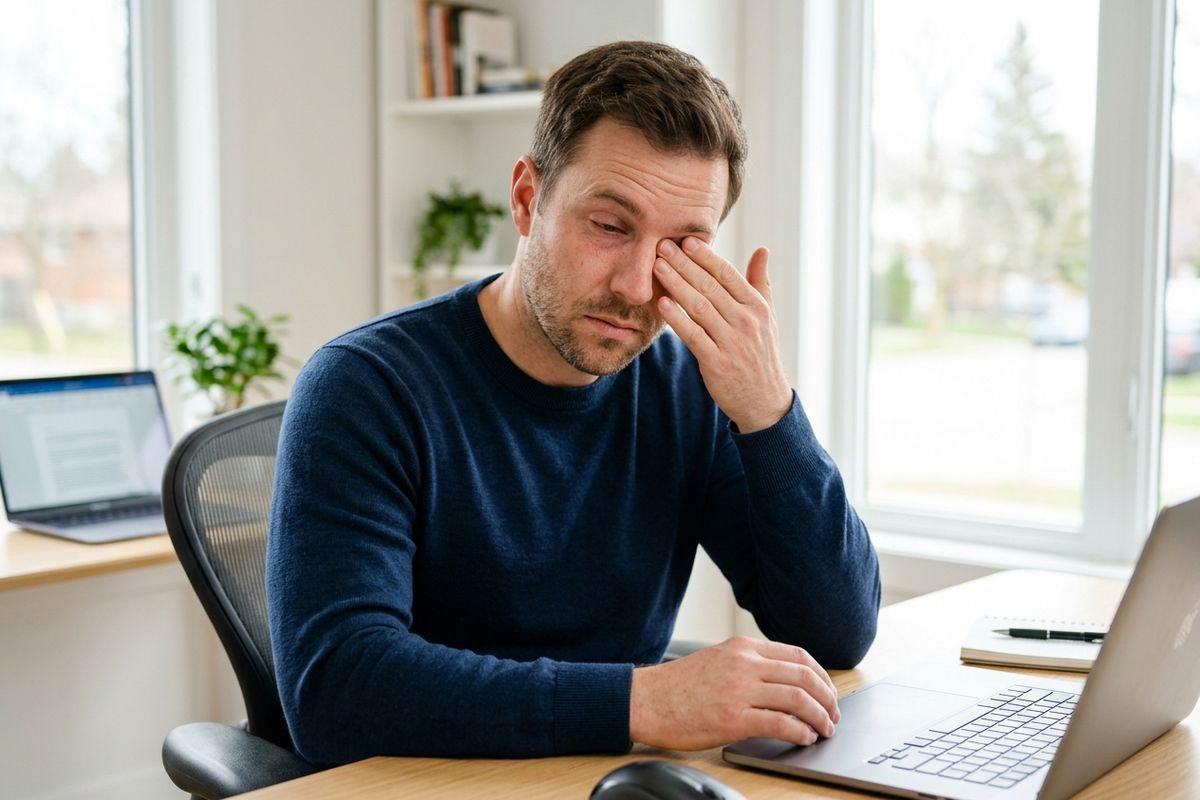
- Long periods of screen use or poor sleep, which can reduce blinking and worsen dryness or surface irritation
Environmental Irritants
Your surroundings play a bigger role in eye comfort than most people realize. Smoke, chlorinated pool water, and dry indoor air can all irritate the surface of your eye. If mild redness follows smoke, wind, or pool exposure, moving away from the irritant and using preservative-free artificial tears may help. A chemical splash is different: rinse the eye immediately with clean, lukewarm water for at least 20 minutes and seek urgent advice. The American Optometric Association’s guide to protecting your vision offers practical steps for reducing exposure to common environmental hazards.
Eye Conditions That Cause Redness
Infections and Inflammation
Sometimes redness is a sign that something more specific is going on with your eyes.
- Pink eye, or conjunctivitis, comes from viruses, bacteria, or allergens and often causes discharge along with redness
- Blepharitis leads to red, swollen eyelids with crusty flakes at the base of your lashes
Treatment depends on the cause. Viral and bacterial conjunctivitis can spread, while allergic conjunctivitis is not contagious. Blepharitis often needs ongoing eyelid care rather than infection precautions. You can learn more about whether blepharitis is contagious and what to do about it if you suspect your eyelids are involved.
Contact Lens Redness
If you wear contact lenses, your habits matter more than you might think. Wearing your lenses too long without a break, or skipping proper cleaning steps, can irritate the surface of your eye. Sleeping in contacts raises your risk of infection even further. Redness after lens wear is a reason to remove the lenses and switch to glasses. Seek same-day eye care if redness occurs with pain, light sensitivity, discharge, or blurred vision. Reviewing proper contact lens care guidelines is a good place to start if this sounds familiar.
When Red Eyes Signal Something More Serious
Signs That Need Prompt Attention
Most red eyes aren’t urgent. But certain symptoms alongside redness deserve a closer look right away.
- Sudden eye pain that comes with nausea or blurred vision
- Redness that is worsening, recurring, or not beginning to improve
- Thick yellow or green discharge coming from the eye
Conditions to Watch For
Acute angle-closure glaucoma can cause severe eye pain, headache, nausea, halos, and sudden vision changes. Uveitis can cause aching pain, redness, blurred vision, and marked light sensitivity. Neither condition is common, but both need professional attention quickly if you suspect them. Woodstock Vision Care’s emergency eye care service is available for situations that can’t wait for a routine appointment.
How to Ease Red Eyes at Home and When to Get Help
For mild redness, a few simple steps can make a real difference in how your eyes feel.
- Place a cool, damp cloth over your closed eyes for a few minutes to calm irritation
- Use over-the-counter artificial tears to add moisture back to dry eye surfaces
- Follow the 20-20-20 rule: every 20 minutes on a screen, look at something 20 feet away for 20 seconds
Beyond home care, a few daily habits can help reduce how often redness shows up. Avoid rubbing your eyes, wash your hands before touching the eye area, and follow contact lens replacement and cleaning instructions.
If redness keeps coming back or doesn’t clear up on its own, an eye exam can get to the root of the problem. Woodstock Vision Care offers dry eye treatment and comprehensive eye care in Woodstock, ON, to help you understand what’s happening and find a solution that fits your situation. The team at Woodstock Vision Care takes the time to look beyond surface symptoms so you get the care that’s actually right for you. Book your appointment with Woodstock Vision Care online today.