

Key Takeaways
- Light sensitivity is a symptom, not a condition on its own.
- Dry eye disease, cataracts, and migraines are common contributors.
- Eye colour and overall health can affect how sensitive your eyes are to light.
- Polarized sunglasses and screen adjustments can help day-to-day.
- Sudden or worsening sensitivity is a reason to see a Woodstock optometrist.
You step outside on a bright day and immediately squint. You sit down at your computer, and your eyes start to water. Even indoor lighting can feel like too much sometimes. If any of that sounds familiar, you’re not alone, and your eyes are usually reacting this way for a reason.
Light sensitivity, also called photophobia, is a symptom rather than a stand-alone condition, meaning something else is usually driving the discomfort. It can show up indoors, outdoors, or in front of a screen, and it ranges from mild annoyance to real, sharp pain. Figuring out what’s behind it is the first step toward feeling better. Woodstock Vision Care works with patients of all ages to identify what’s causing their discomfort and talk through options that fit their daily life.
What Is Light Sensitivity?
Photophobia isn’t about a fear of light. It’s the discomfort or pain your eyes feel when exposed to light sources, whether that’s sunlight, overhead fluorescents, or a phone screen at night. Because it’s a symptom, it’s pointing at something else going on, not a problem in and of itself.
A few signs suggest your eyes may be light sensitive:
- You squint or close your eyes frequently in bright conditions.
- Your eyes water when you go outside or enter a brightly lit room.
- Bright light brings on headaches.
Common Causes of Sensitive Eyes
Eye-Related Causes
Several eye conditions can make you more reactive to light. Dry eye disease irritates the surface of the eye, and that irritated surface tends to be far more sensitive to light than a healthy one. Cataracts scatter light as it enters the eye, which can create glare and discomfort. Conditions like uveitis or a corneal abrasion cause inflammation that makes the eyes much more reactive overall.
Causes Beyond Your Eyes
Not everything starts in the eye. Migraines are a frequent contributor to light sensitivity, often making bright environments feel unbearable during an episode. Head or eye injuries can affect how your brain processes light. Some medications also list light sensitivity as a known side effect, so it’s worth checking what you’re currently taking if the issue came on after starting something new.
Why Some People Are More Sensitive Than Others
Eye Colour and Pigment Levels
If you have light-coloured eyes, you may have noticed you squint more than people around you. That’s because blue and green eyes contain less pigment, which means less natural filtering of incoming light. It doesn’t make you more prone to eye disease, but it does mean bright environments can feel more intense.
Nutrition and Overall Health
Low levels of certain nutrients, particularly vitamin A and vitamin B2, may affect how well your eyes tolerate light. Your overall health plays a role too. When your body is run down, your eyes can feel it.
Ways to Reduce Light Sensitivity Day-to-Day
Protective Eyewear Options
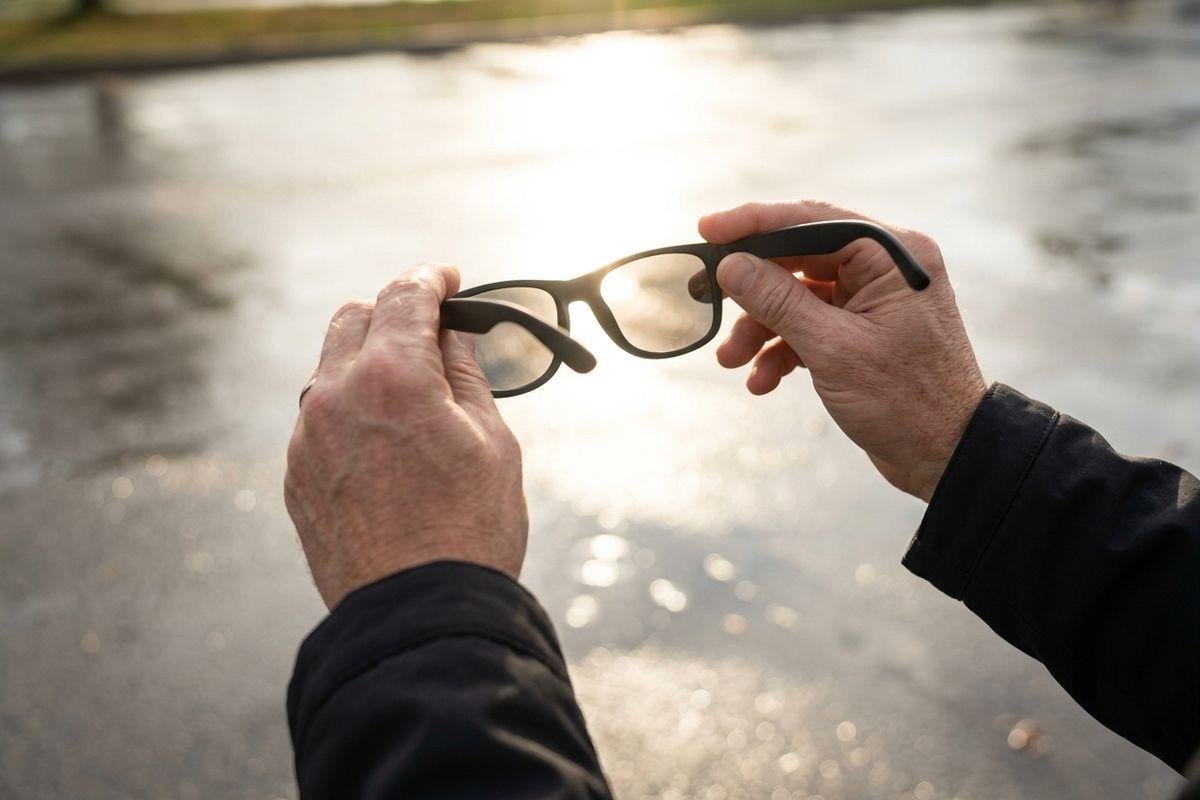
The right pair of glasses can make a noticeable difference. Polarized sunglasses help cut glare outdoors, particularly around water, pavement, and snow. Photochromic lenses are another option. They adjust to changing light levels automatically, so you’re not caught off guard moving between bright and dim spaces.
You can explore a range of frames and lenses at our optical boutique to find something that fits both your needs and your style.
Simple Environment Adjustments
Small changes around your home and workspace can help take the edge off. Here are a few worth trying:
- Dim indoor lighting when you have control over it.
- Lower the brightness on your phone and computer screens.
- Wear a wide-brimmed hat when you’re in direct sunlight.
When to See a Woodstock Optometrist
Some light sensitivity is easy to manage on your own. Other times, it’s worth getting a closer look. Watch for these signs:
- Sensitivity that comes on suddenly or gets worse quickly.
- Pain, blurry vision, or changes in your sight alongside the sensitivity.
- Symptoms that persist or worsen rather than settling on their own.
What an Eye Exam Can Reveal
An eye exam can identify what’s driving your discomfort, whether it’s dry eye disease, a change in your prescription, or something that needs further attention. From there, our team at Woodstock Vision Care can talk through options with you, including dry eye treatment or other personalized care.
Booking an appointment is a straightforward way to get answers and care for your vision.