
Key Takeaways
- Blue light from screens is not linked to causing eye strain.
- Eye fatigue after screen time is mostly related to reduced blinking and prolonged close focus.
- There is no strong evidence that blue light filter glasses reduce eye strain.
- Evening blue light exposure can affect sleep, and these glasses may offer modest help.
- The 20-20-20 rule and blinking habits are practical ways to manage screen-related discomfort.
- Persistent eye discomfort is worth discussing with an optometrist.
Blue light filter glasses have become a popular purchase for anyone who spends long hours in front of a screen. The promise sounds straightforward: wear these glasses, protect your eyes, feel better. But when you look at what the research actually shows, the picture is more complicated than the marketing suggests.
Woodstock Vision Care hears this question often, and it’s worth understanding before you spend money on a pair. Our team regularly helps patients sort through what screen habits actually affect their eye health.
Blue light filter glasses are not a proven solution for eye strain, and the science does not support the idea that blue light from screens causes lasting eye damage. That does not mean screens are harmless, but the real culprits behind your tired eyes are different from what most people expect.
What Blue Light Filter Glasses Actually Do
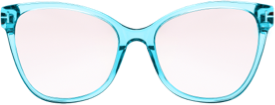
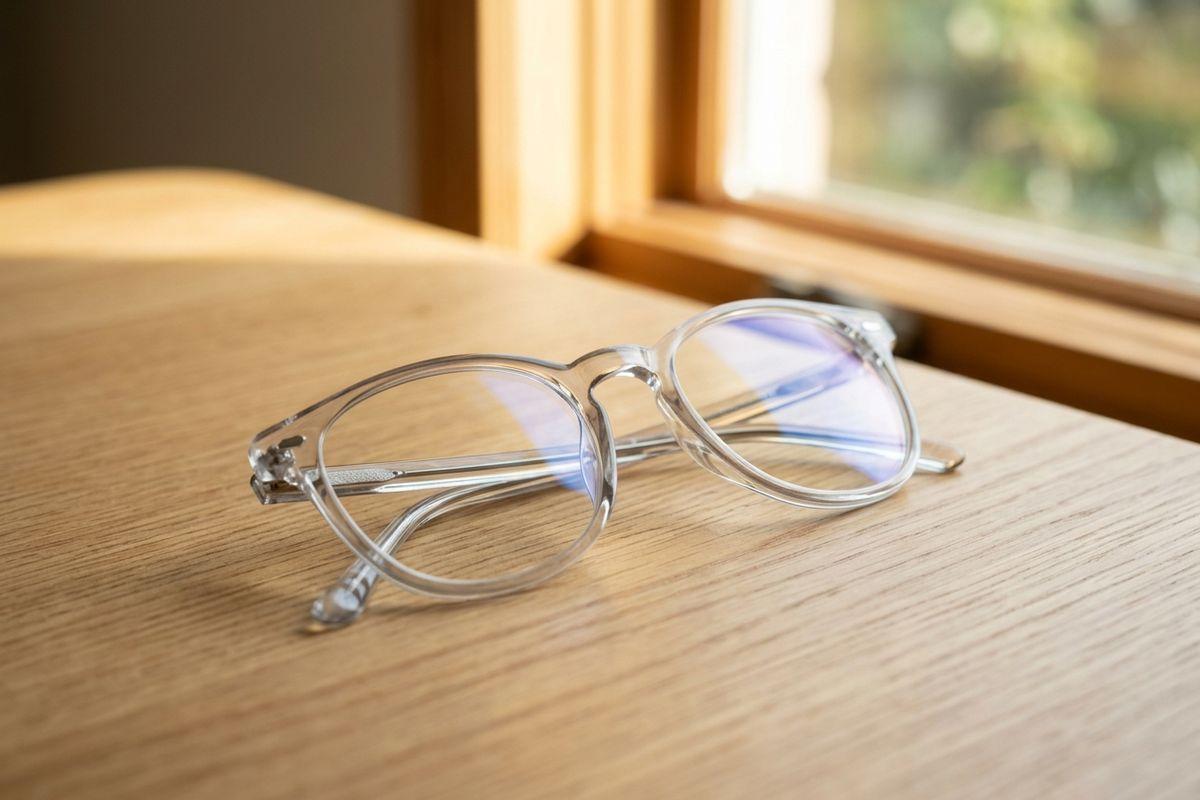
These glasses have lenses designed to filter out some blue wavelengths of light before they reach your eyes. They are commonly marketed as a way to reduce eye strain, protect your eyes from screen damage, and improve sleep.
One thing worth knowing: the sun produces far more blue light than any digital screen does. Your eyes handle blue light from daylight every single day, and screens add only a small fraction on top of that.
What the Research Says About Eye Strain and Screen Use
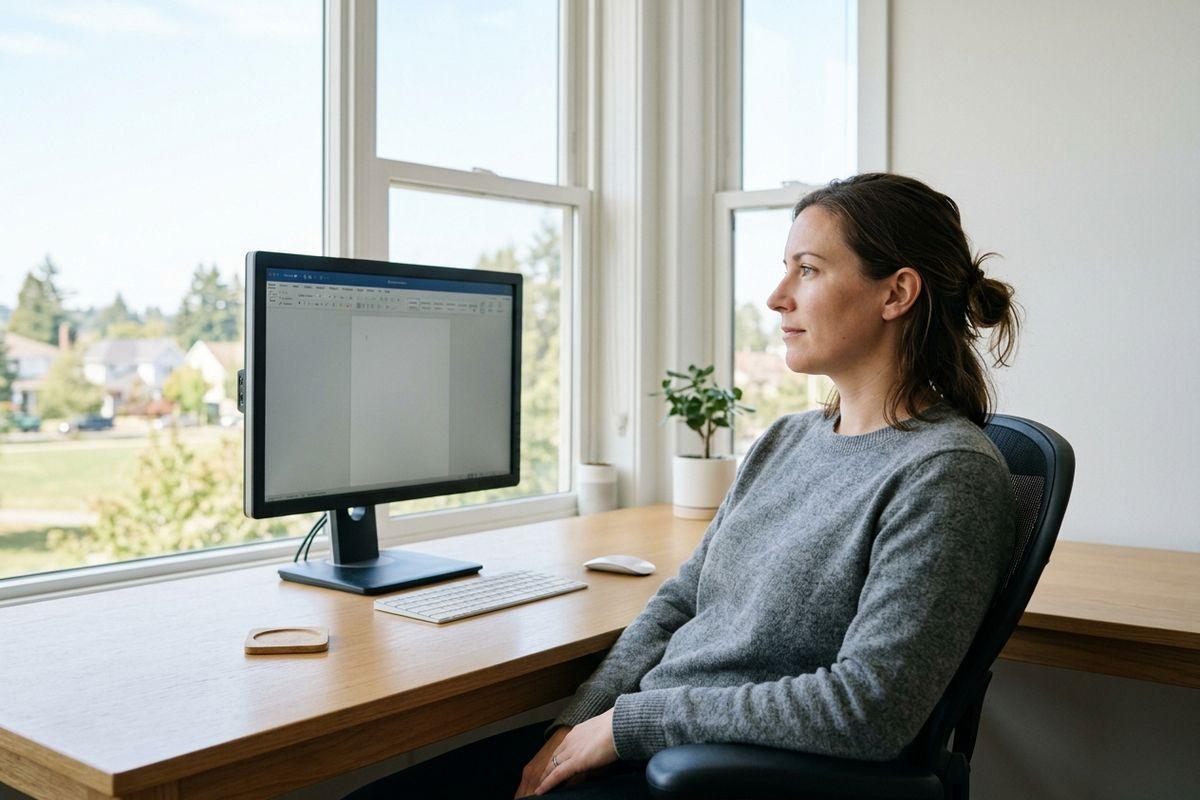
If your eyes feel dry, sore, or heavy after a long day at your computer, you are not imagining it. Screen fatigue is real, but blue light is not the main reason it happens. When you stare at a screen, you blink less often, which dries out the surface of your eyes and creates discomfort. Holding your focus on something close up for extended periods also puts steady demand on the muscles inside your eyes.
Those two things, reduced blinking and prolonged close focus, are what most eye doctors point to when explaining screen-related fatigue.
Do Blue Light Glasses Help with Eye Strain?
The short answer is probably not in the way most people assume. Strong evidence does not show that blue light filter glasses reduce eye strain. Optometrists do not commonly recommend them specifically for that purpose.
Some people do report feeling better after wearing them. That relief may come down to a placebo effect, meaning the expectation of comfort plays a role in what they experience. That is not nothing, but it is not the same as the glasses fixing an underlying problem.
Blue Light Glasses and Sleep
This is where blue light filter glasses have a somewhat more reasonable case behind them. Blue light exposure in the evening can affect how your body winds down at night. Using screens late at night is the situation where these glasses might offer modest support.
That said, healthy sleep habits carry at least as much weight. Reducing screen time in the hour before bed is a practical step that does not require any special eyewear. If late-night screen use is unavoidable, blue light glasses may help take a small edge off, but they are not a substitute for a consistent sleep routine.
Habits That Actually Help Your Eyes
The 20-20-20 Rule
Every 20 minutes, shift your gaze to something about 20 feet away and hold it there for 20 seconds. It is a simple habit that gives the focusing muscles in your eyes a short break from close-up work. Many people find it makes a noticeable difference in how their eyes feel by the end of the day.
Other Screen-Time Tips Worth Trying
A few small adjustments to your screen setup and daily habits can go a long way. Here are some that eye care professionals commonly suggest:
- Blink more often and use preservative-free artificial tears if your eyes feel dry.
- Sit roughly an arm’s length away from your screen.
- Cut back on screen use in the hour before bed.
When to See an Optometrist About Eye Strain
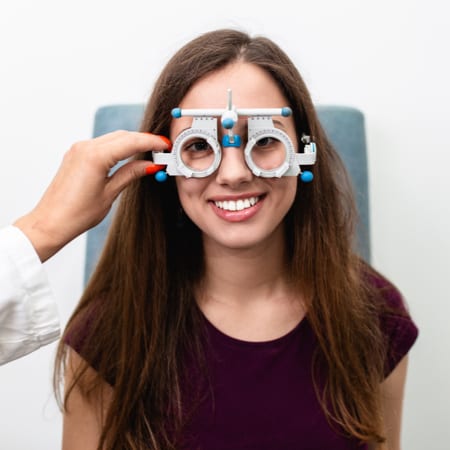
If screen-related discomfort persists or worsens even after adjusting your habits, that is worth paying attention to. Persistent eye strain can sometimes point to an uncorrected or changed prescription rather than anything related to blue light. A thorough eye exam can help rule out those kinds of concerns and give you a clearer picture of what is going on.
Woodstock Vision Care offers eye care for all ages, from children to adults, with a team of optometrists who take the time to understand what you are dealing with and work through it with you. If your eyes have been bothering you and you are not sure why, booking an appointment with our team is a good place to start.