
Key Takeaways
- Maturity and hygiene habits matter more than age when deciding if a child is ready for contact lenses.
- Daily disposable lenses are a practical option for kids because they require no cleaning routine.
- Certain daily lenses can help slow myopia progression in children.
- Safe wear depends on consistent habits built from the very first day.
- A contact lens fitting at Woodstock Vision Care helps determine if lenses are the right fit for your child.
You’ve probably noticed your child squinting on the sidelines, nudging their glasses up mid-game, or asking why they can’t just wear contacts like some of their friends. It’s a fair question, and more kids are making the switch to contact lenses than ever before.
Daily disposable lenses can be a safe, manageable option for children when the right habits are in place, and a Woodstock Vision Care optometrist has confirmed they’re a good candidate. Here’s what you need to know before booking that first contact lens fitting.
Is Your Child Ready for Contact Lenses?
Signs of Readiness
The clearest signal your child might be ready has less to do with their birthday and more to do with their day-to-day habits. A child who brushes their teeth, washes their hands, and keeps track of their glasses without being told is showing exactly the kind of consistency that contact lens wear requires.
Here are a few signs worth paying attention to:
- Your child follows hygiene routines without reminders.
- They take care of their glasses or belongings responsibly.
- They’re genuinely interested in switching, not just curious for a week.
Age and Maturity Over a Fixed Number
Some children as young as 8 wear daily lenses without issue. Others aren’t ready at 13. The number matters far less than whether your child can handle the responsibility.
An optometrist can walk through readiness with your child at a contact lens fitting, asking questions about their routine and lifestyle to help you both decide if the timing makes sense.
Why Daily Disposable Lenses Work Well for Kids
A Fresh Lens Every Day
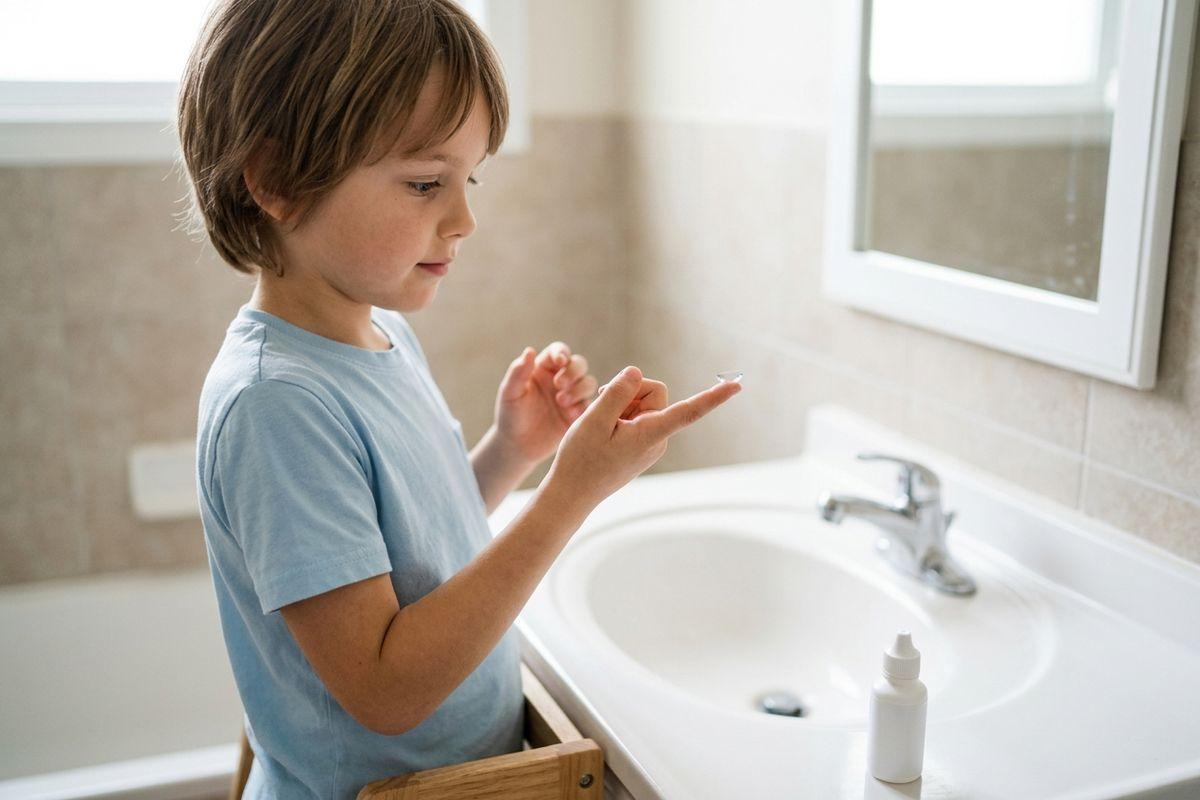
Daily disposable lenses are exactly what they sound like. Your child opens a fresh pair each morning and throws them away at the end of the day. No cleaning solution. No storage case. No overnight soaking.
That simplicity matters because it removes the steps where mistakes often happen. Fewer steps means a lower risk of infection, and a routine that’s much easier for younger wearers to stick with. Health Canada also notes that proper lens care and handling are key to reducing eye health risks for all contact lens wearers.
Sports, School, and Daily Life
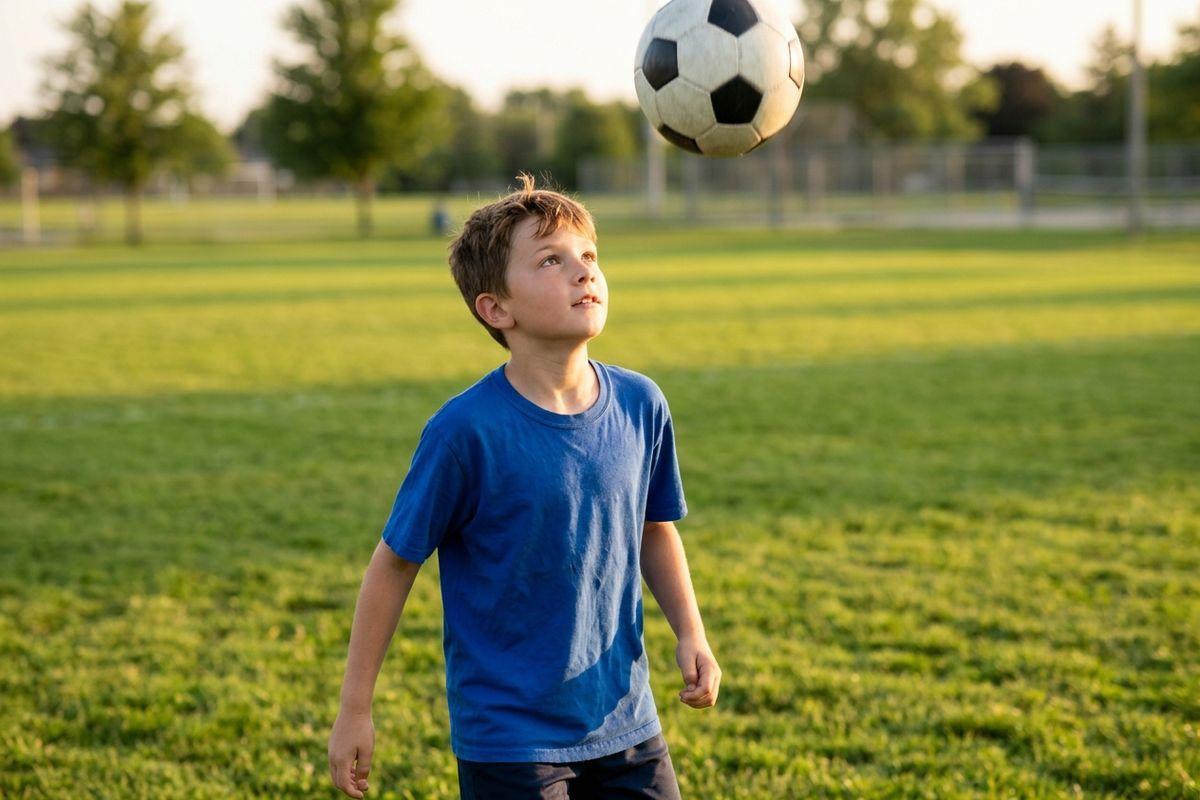
No frames means nothing to break, slip, or fog up. During sports, your child gets a wider, unobstructed field of vision, which can make a real difference whether they’re tracking a soccer ball or playing basketball.
Contact Lenses and Myopia Control in Children
If your child’s prescription keeps changing at each appointment, they may have myopia. It tends to move faster through childhood and into the teen years, and higher levels of myopia carry greater long-term risks for eye health. Acting early can help slow that process.
Myopia Control Contact Lenses
Certain daily lenses are specifically designed to help slow myopia progression in children. They’re worn during waking hours and discarded each evening, just like standard daily lenses.
Not every child is a candidate, and an optometrist determines that based on your child’s prescription, age, and eye health.
Safety Tips for Young Contact Lens Wearers
Good habits set early make a real difference. Before your child ever touches a lens, these 3 rules should be non-negotiable:
- Always wash and dry hands completely before handling lenses or touching the eyes.
- Never wear lenses in water, during sleep, or longer than the prescribed wear time.
- Never share lenses or borrow someone else’s pair.
When to Remove the Lenses Right Away
Your child should know that lenses come out immediately if any of the following happen:
- The eye looks red, irritated, or feels uncomfortable.
- The lens packaging was damaged or compromised before opening.
- There’s burning, itching, or blurred vision while wearing them.
If symptoms persist or worsen after removing the lenses, that’s a sign to contact the optometrist.
What to Expect at a Contact Lens Fitting
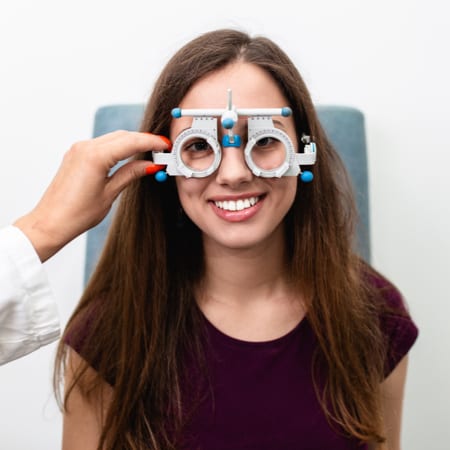
The fitting appointment covers more than just measuring your child’s eyes. Your optometrist checks their prescription, overall eye health, and whether their lifestyle is a good match for contact lens wear. Your child will also learn how to insert and remove lenses during the visit, so they leave feeling confident rather than guessing at home.
Follow-up appointments every 6 months to a year after the fitting help your optometrist track how the lenses are working and whether any adjustments are needed.
Come See Us
If you’re weighing whether contact lenses are the right next step for your child, our team at Woodstock Vision Care is here to help you decide. Book an appointment online today and take the first step toward finding the right fit for your child’s vision and their life.