Key Takeaways
- Squinting, sitting close to screens, and trouble seeing the board can be signs your child needs glasses.
- Kids can have a first eye exam around 6 to 12 months old, another between 3 and 5, and yearly exams once school starts.
- Flexible frames, spring hinges, and impact-resistant lenses can hold up to active play.
- Myopia control lenses can help slow prescription changes in growing eyes.
- A steady routine and quick fit tweaks can help your child adjust to new glasses.
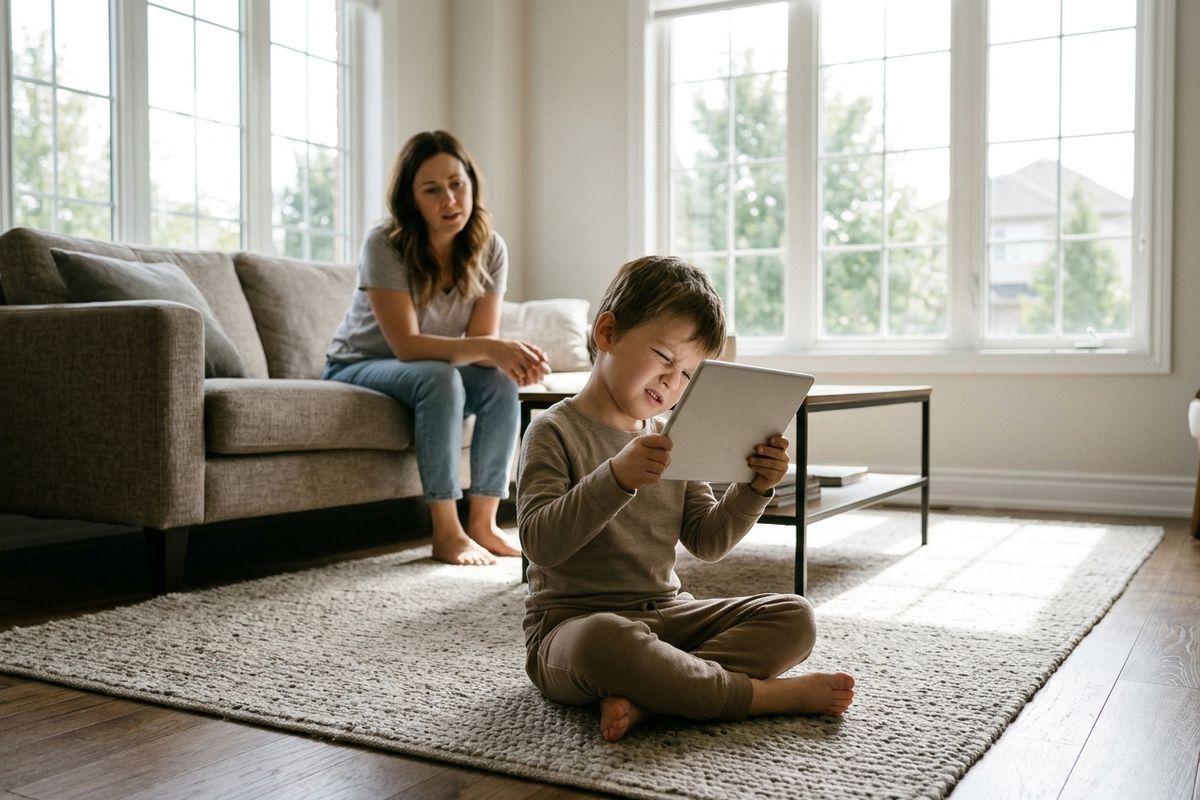
Your child comes home with a note from the teacher, or you spot them holding a tablet just inches from their face. Moments like these can leave you wondering if glasses are the next step. The team at Woodstock Vision Care helps families with this question often, and a little background can make the whole process feel simpler.
Before you buy children’s glasses, it helps to know the signs of vision trouble, when to book eye exams, which frames and lenses hold up to busy days, and how to support your child through the first few weeks. A child’s eye exam with a Woodstock optometrist is the starting point, since it tells you which prescription your child needs.
Signs Your Child May Need Glasses
Kids rarely say their vision is blurry. Many assume everyone sees the world the same way, so the clues tend to show up in their behaviour.
Signs in Young Kids
Toddlers and preschoolers often show vision changes through how they play and watch, so keep an eye out for these signs:
- Your child squints, tilts their head, or has one eye turning in or out.
- Your child sits very close to the TV or tablet.
- Your child rubs their eyes often or has watery eyes.
Signs in School-Age Kids
Once school starts, vision changes can show up in the classroom. Your child may show these signs:
- Your child has trouble seeing the board from their desk.
- Your child loses their place while reading or uses a finger to follow along.
- Your child has a hard time focusing or staying on task in class.
If you notice any of these, an eye exam can give you clear answers.
When Should Kids Have Eye Exams?
Recommended Ages for Eye Exams
Kids’ eyes grow and change quickly, so regular checkups can help catch shifts early. A common schedule looks like this:
- Your child has a first exam around 6 to 12 months old.
- Your child has another exam between 3 and 5 years old.
- Your child has yearly exams once school starts.
What Happens at a Kids Eye Exam
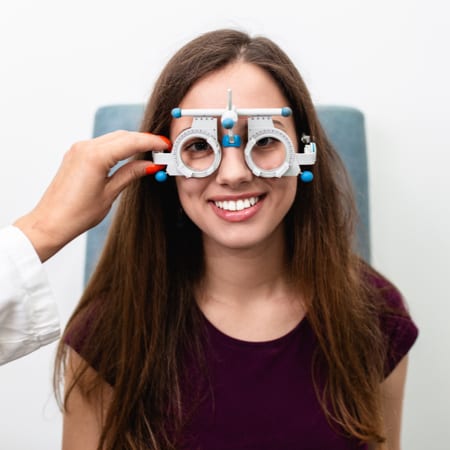
A kids’ eye exam is relaxed and hands-on. Children who can’t read yet can name pictures on a chart instead of letters. Little ones can sit right on your lap, which helps them stay calm in a new room.
The optometrist checks for nearsightedness, farsightedness, astigmatism, and lazy eye.
How to Choose Kids Frames That Fit and Last
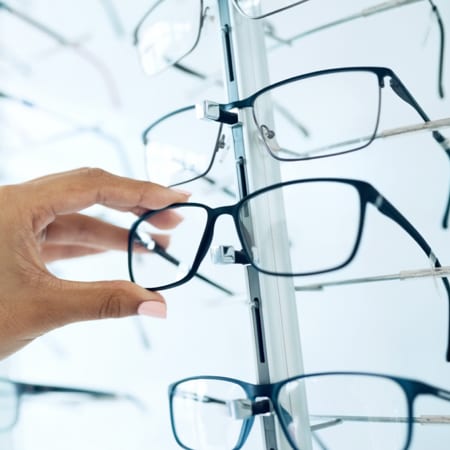
What to Look for in Frames
Kids drop, bend, and sit on their glasses. A sturdy frame can handle those everyday moments. Look for these features:
- Flexible materials and spring hinges bend with active play.
- The bridge sits comfortably on a small, flat nose.
- The frame stays in place with no slipping or red marks after a few hours.
Let Your Child Pick the Style
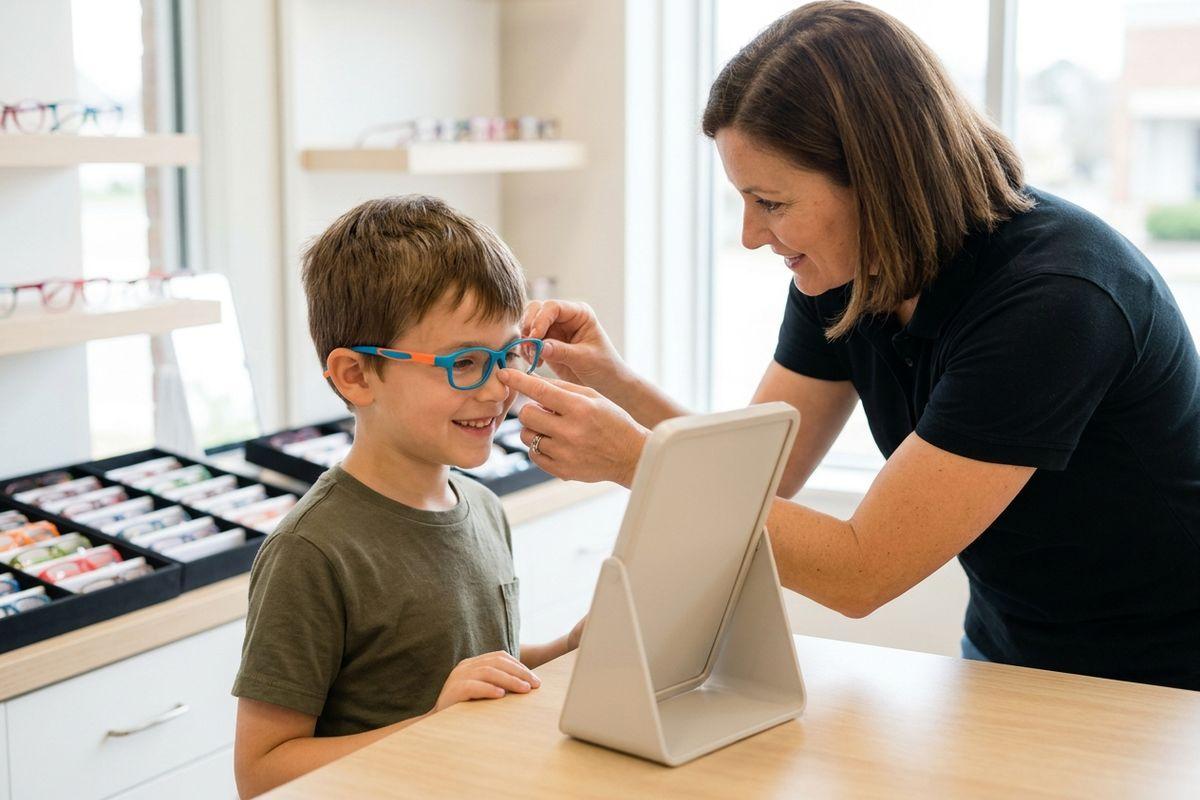
Kids tend to wear glasses more when they like how they look.
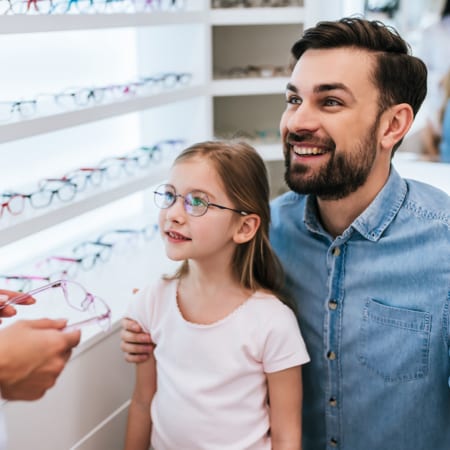
Bright colours, fun patterns, or simple styles can all work, as long as your child enjoys wearing them. You and your child can browse kid-friendly frames in the optical boutique at Woodstock Vision Care, where the team can help check the fit.
Which Lenses Are Right for Kids?
Lens Features to Ask About
Lenses do a lot of work for a busy child. When you shop, ask about these features:
- Impact-resistant lenses like polycarbonate or Trivex hold up to active days.
- Scratch-resistant and anti-reflective coatings help protect the lens surface.
- UV protection or lenses that darken outdoors suit kids who play outside.
Myopia Lenses for Growing Eyes
If your child’s prescription gets stronger each year, myopia control lenses can be an option. These lenses are designed to help slow prescription changes over time. Ask the team at Woodstock Vision Care which myopia control options may suit your child.
Sports Goggles for Active Kids
Hockey, soccer, and backyard games can be tough on everyday glasses. Sports goggles give your child extra eye protection during sports and play, and they’re designed to stay on through quick movement.
How to Help Your Child Adjust to New Glasses
Tips for the First Few Weeks
New glasses can feel strange at first. These steps can help your child settle in:
- Make glasses part of the daily routine, just like brushing teeth.
- Offer praise and start with fun activities, like reading a favourite book together.
- Let your child’s teacher know about the new glasses.
Simple Care Habits for Kids
Small habits can help glasses last longer. Teach your child to take glasses off with 2 hands and set them down lens-side up. Follow the cleaning tips for your child’s lens coatings to help keep each lens clear.
When to Check In with the Team
Your child’s vision may feel a little different at first.
Reach out if issues persist or worsen, or if the frames slip or pinch. The in-house lab can make quick fit tweaks, so your child spends less time waiting and more time seeing clearly.
Book a Kids Eye Exam in Woodstock, ON
Buying kids’ glasses feels simpler when you know what to look for, from the first signs to the daily care habits. Woodstock Vision Care offers eye care in Woodstock, ON for the whole family, including kids eye exams, myopia control, contact lens fittings, and dry eye treatment for adults. Book your child’s appointment online today and let our team support your family’s vision.