

Key Takeaways
- Vitamin A helps your eyes adjust to low-light conditions by supporting light-sensing pigments in your retina.
- Night blindness is often one of the first signs that your vitamin A levels are low.
- Certain health conditions and dietary restrictions can raise your risk of deficiency.
- Early care can help identify the cause and reduce the risk of lasting damage.
- An optometrist can help identify and monitor these changes during a comprehensive eye exam.
Your Eyes Need Proper Nutrients
Your eyes may feel fine during the day, but once the sun goes down, you might notice yourself squinting at street signs, struggling in dim restaurants, or feeling uneasy while driving at night. These changes are easy to blame on tired eyes or age, but night vision problems can have several causes.
Yes, vitamin A deficiency is a known nutritional cause of night blindness, especially for people with absorption issues, liver conditions, or severely restricted diets.
However, Vitamin A deficiency is only one possible nutritional cause of night blindness, particularly for people with absorption issues, liver conditions, or severely restricted diets. A comprehensive eye exam can help identify signs of eye-health changes and determine whether your symptoms need further medical follow-up.
How Vitamin A Affects Your Vision
Your retina, the light-sensitive layer at the back of your eye, relies on vitamin A to produce a pigment called rhodopsin. Rhodopsin is what allows your eyes to pick up light in dim conditions. Without enough vitamin A, your retina simply can’t make enough rhodopsin.
Think of it like trying to take a photo in low light with a camera that’s missing a key sensor. The hardware is there, but the signal doesn’t come through clearly.
Vitamin A also plays a role in keeping your corneas (the clear, front surface of your eyes) moist and healthy. Low levels of vitamin A can lead to dryness and irritation. If persistent dryness is something you struggle with, it’s worth learning more about how dry eyes can affect your vision.
What Night Blindness Feels Like
Signs Your Night Vision May Be Off
Night blindness doesn’t mean you can’t see at all in the dark. Instead, you might notice:
- Difficulty seeing clearly in dim or dark settings
- Trouble adjusting when you move from a bright space into a darker one
- Vision that feels normal again once you’re back in well-lit conditions
If your daytime vision is fine, but you’re struggling to see in low-light situations, you should consider visiting your optometrist.
First Signs of Vitamin A Deficiency
Night vision changes are often the earliest signal that your vitamin A is running low. Other common signs include:
- Dry, irritated eyes that feel persistently uncomfortable
- Skin changes, like unusual dryness or rough patches, appearing alongside eye symptoms
These signs together can point your eye care provider toward a clearer picture of what’s going on.

Who Is at Risk for Vitamin A Deficiency
Most people who eat a varied diet get enough vitamin A without thinking about it. But certain situations can make it harder for your body to absorb or maintain enough of it.
You may face a higher risk if you:
- Live with a digestive or liver condition that affects how your body absorbs fat-soluble nutrients
- Follow a severely restricted diet that limits key food groups
- Have had bariatric surgery or bowel surgery that changes how your gut processes nutrients
If any of these apply to you, it’s worth bringing up your night vision issues at your next eye exam, even if your daytime sight seems fine.
Can Night Blindness from Vitamin A Deficiency Be Managed
When Caught Early
If vitamin A deficiency is confirmed, medically guided supplementation can often improve night blindness and dry eye symptoms before permanent damage occurs.
Early action makes a meaningful difference. For dryness that persists even as nutrition improves, the dry eye therapy options at Woodstock Vision Care include both in-office treatments and at-home care to support comfort over the long term.
When Left Too Long
If vitamin A levels stay critically low for too long, the cornea can develop scarring. This kind of structural damage doesn’t respond to supplements.
If you experience vision changes, you should never leave them on the back burner—you should always pay a visit to your optometrist.
When to Visit an Optometrist
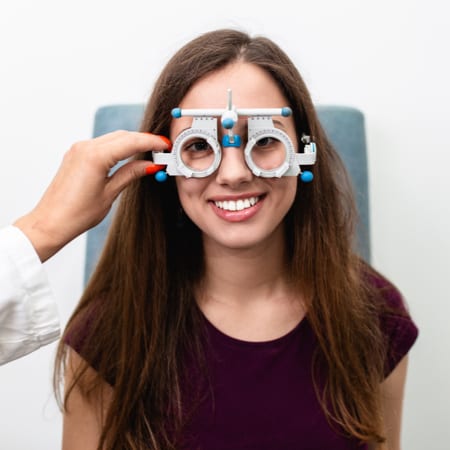
Changes to your night vision are easy to dismiss. However, changes in your vision should always be treated as a signal from your eyes. A comprehensive eye exam is one of the most practical ways to find out what that information means.
During an eye exam, our team can look for signs that may point to vitamin A-related eye changes or another cause of poor night vision. If needed, we can recommend follow-up with your healthcare provider for nutritional testing or medical care.
If you’ve noticed changes in your night vision, or if it’s simply been a while since your last exam, our team at Woodstock Vision Care is ready to help. Book your appointment to find out what may be affecting your night vision.