
Have you ever noticed a tiny dark speck drifting across your line of sight or caught a quick burst of light in the corner of your eye? These visual hiccups are incredibly common, and we often brush them off as simple eye strain or fatigue. However, they can sometimes act as an urgent warning sign.
A sudden surge in floaters or flashes can be a sign of a serious eye condition that needs prompt attention. Knowing the difference between normal and concerning can protect your sight.
If you’re unsure what you’re experiencing, contact your optometrist for emergency eye care to get answers quickly.
What Floaters and Flashes Actually Are
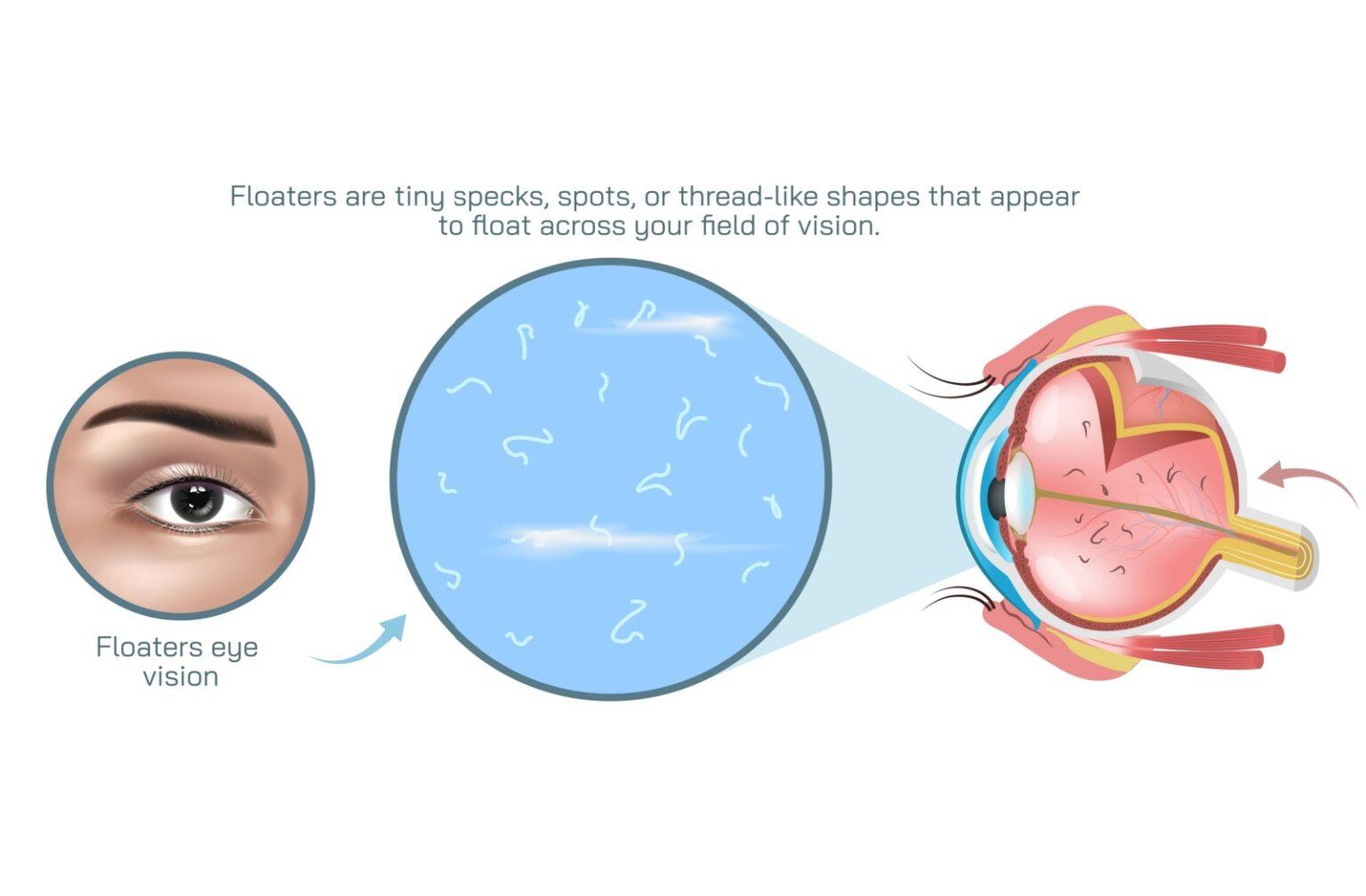
Floaters are small spots, threads, or squiggly lines that drift across your field of vision. They aren’t on your glasses or your screen. Instead, they exist entirely inside your eye. Flashes look like brief streaks or bursts of light, often appearing at the edges of what you see.
Both floaters and flashes are linked to changes happening inside the vitreous. This clear, gel-like substance fills the inside of your eye. As the gel shifts or changes over time, it casts shadows on your retina or tugs at it to create those visual effects. Many people notice them occasionally without any serious cause, but context matters a great deal.
Floaters and spots are typically harmless, but a sudden increase in their frequency or intensity is worth having checked right away.
When to See Your Optometrist
Not every floater is a reason to panic, but certain changes deserve a call to your optometrist. Pay attention if you notice any of the following:
- A sudden surge of new floaters appearing all at once
- A shadow or dark curtain creeping across part of your vision
- Flashes of light that repeat or seem to grow more frequent
These signs, especially when they happen together, point to something more serious happening at the back of your eye. A curtain-like shadow across your vision is a particular red flag that needs immediate attention. You shouldn’t wait until tomorrow or after the weekend. If you experience any of these symptoms, reaching out for emergency eye care is a smart first step.
Some of the conditions behind these symptoms can progress quickly when left unaddressed. What starts as a small tear can become something far more serious within hours or days. The sooner an eye care professional takes a look, the more options there are to protect your vision.
A prompt eye exam can detect structural changes in their early stages, often before vision loss happens. Acting quickly makes a significant impact on your treatment options. A comprehensive eye exam doesn’t take long, and the information it provides is invaluable.
Common Causes Behind Floaters and Flashes
One frequent cause of floaters and flashes is posterior vitreous detachment, which happens when the gel inside the eye slowly pulls away from the retina. This condition is common as people age and often resolves without harm, but an optometrist still needs to check it. When the gel tugs more forcefully, it sometimes causes a retinal tear, which is a more urgent concern. Retinal tears and detachments can develop rapidly, making prompt evaluation essential.
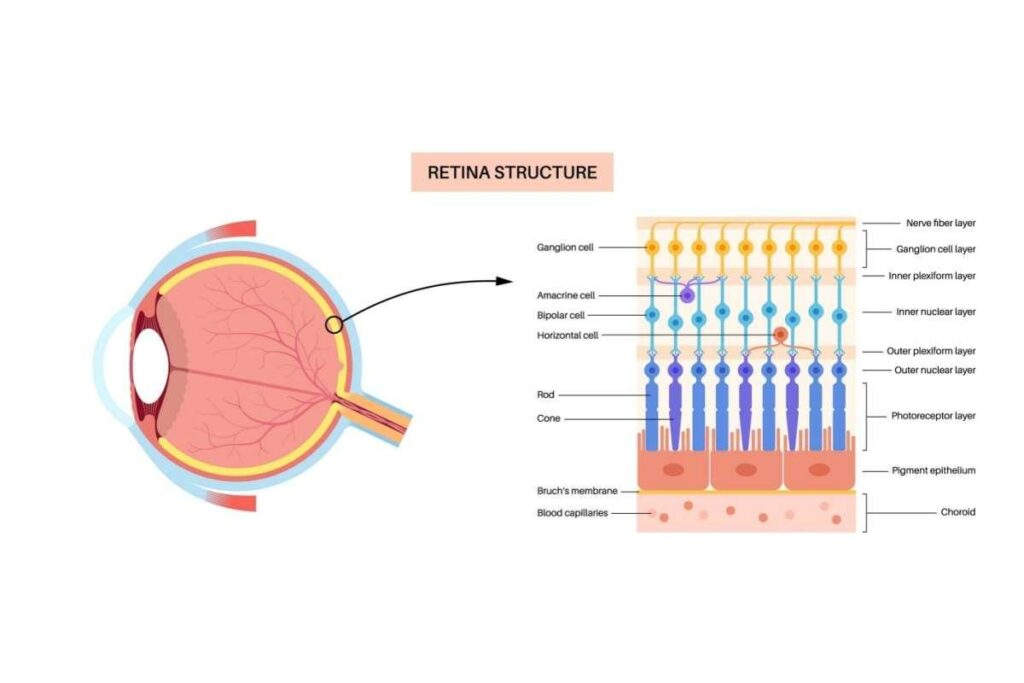
A retinal detachment happens when the retina pulls away from the tissue supporting it. This specific scenario makes floaters and flashes a warning sign of a potential emergency. Certain factors can raise your risk:
- Older age, particularly after 50
- High myopia (nearsightedness)
- A previous eye injury or surgery
If any of these apply to you, pay close attention to changes in your vision and keep up with regular eye exams.
What an Eye Exam Can Reveal
When you come in with concerns about floaters or flashes, your optometrist typically performs a dilated eye exam. Dilating the pupils allows the doctor to get a clear, wide view of the retina and the structures at the back of your eye. It is a straightforward process that takes a bit of time but gives a thorough picture of what is happening inside.
Optometrists also use diagnostic tools that provide a detailed internal view of the eye. These tools help identify subtle changes that might not be visible otherwise, helping make the assessment more thorough and accurate.
Optical coherence tomography (OCT) is one example. It creates cross-section images of the retina to help detect structural changes with a high level of detail.
During the exam, your eye care team looks closely for any signs of retinal stress, tears, or structural changes. Even small findings matter because noticing something early expands your care options.
After the exam, we can walk you through what we found and discuss personalized next steps based on your specific eye health. There is no one-size-fits-all answer, so your care plan must reflect what your eyes actually need.
How to Protect Your Vision Going Forward
Regular eye exams are one of the most practical ways to stay ahead of changes that don’t always come with obvious warning signs. Many eye conditions develop gradually, and an exam can catch changes in your eye health before symptoms get worse.
If you have floaters or flashes, even mild ones, mention them at your next visit. Adults and seniors benefit from routine exams on a consistent schedule, especially as the risk of retinal changes increases with age.
For people with myopia, myopia control is an important part of protecting long-term eye health. High levels of nearsightedness are linked to a higher risk of retinal complications later in life, so managing myopia, especially in children, can have lasting benefits.
Finally, knowing your eye history and sharing it at every appointment helps the team track changes over time. Whether you have a family history of retinal issues, a past injury, or a previous diagnosis, that information helps us give you the care you deserve.
Don’t Wait on Your Eye Health
If you notice sudden floaters, flashes, or any unusual changes in your vision, don’t wait to find out what they mean. Timing is everything when it comes to your sight. Woodstock Vision Care is here to help you get answers, address emergencies, and protect your long-term eye health.
Book your appointment online today and take that first step toward clarity!