

You might brush off that afternoon headache or blame your tired eyes on too much screen time, but the fact is your body often sends clear signals when your vision needs help. Unfortunately, these warning signs can be easy to miss or dismiss as normal wear and tear.
10 common signs that may indicate you need glasses include:
- Blurry Vision
- Frequent Headaches
- Eye Strain
- Difficulty Seeing at Night
- Constant Squinting
- Rubbing Your Eyes
- Seeing Halos Around Lights
- Dizziness or Balance Issues
- Holding Items Further Away
- Changes in Depth Perception
A comprehensive eye exam can address these concerns, so you can trade the squinting for some stylish new eyewear.
Blurry Vision
Clear vision should feel effortless, whether you’re reading a text message or spotting a friend across the parking lot. When objects at certain distances start looking fuzzy, your eyes are telling you they need support to focus properly.
You might find yourself squinting at road signs that used to be crystal clear, or holding your phone at arm’s length to read messages. These changes can happen gradually, making them easy to ignore until they start affecting your daily activities.
Frequent Headaches
Do you get a dull ache behind your eyes or across your forehead after a few hours of work? When your eyes struggle to focus due to undiagnosed vision problems, the muscles around the eyes have to overcompensate. This constant tension often results in “tension headaches.”
Eye Strain
Your eyes shouldn’t feel like they’re running a marathon just to see clearly. When your vision isn’t properly corrected, your eye muscles work overtime trying to focus.
You might notice this strain building throughout the day, especially during activities that require focused vision. The constant effort to see clearly can leave you feeling drained, even when you’ve had plenty of sleep.
Digital eye strain has become increasingly common with extended screen use. Following the 20-20-20 rule can provide temporary relief.
Difficulty Seeing at Night
When driving after dark feels like navigating through fog, glasses may be the answer, as even simple evening activities can become challenging and potentially unsafe. For example, oncoming headlights look like giant “starbursts” or you may be unable to see the lines on the road.
These vision changes could indicate common refractive errors like myopia or hyperopia, which are easily corrected with proper prescription lenses.
Constant Squinting
Squinting is the most common “autopilot” response to blurry vision. By narrowing your eyelids, you reduce the amount of light entering the eye, which can momentarily sharpen your focus. However, if you find yourself squinting at the TV or road signs, your eyes are working way harder than they should.

Rubbing Your Eyes
If you feel the urge to rub your eyes frequently throughout the day, it’s often because they’re strained or tired from trying to focus. These unconscious habits are your body’s way of trying to solve a vision problem that glasses or contacts can address more effectively.
Seeing Halos Around Lights
When your eyes can’t focus light properly, it can scatter, causing glowing circles (halos) to appear around light sources like streetlights or bulbs. This is often a hallmark sign of astigmatism. However, if this vision is accompanied by pain, it may indicate a serious eye condition. Contact your optometrist so they can examine your eyes and determine the cause.
Dizziness or Balance Issues
This is a sign many people overlook. Your brain relies on visual input to help you maintain your balance. If your eyes are sending slightly mismatched or blurry signals, it can lead to feelings of vertigo, lightheadedness, or general clumsiness.
Issues like Binocular Vision Dysfunction (BVD), where the eyes are slightly misaligned, can make you feel like the ground is moving or cause motion sickness.
Holding Items Further Away
If you find yourself holding your reading material further and further from your face, your near vision likely needs correction. After age 40, the eye’s lens begins to harden, causing presbyopia, which affects near vision. Reading glasses or bifocals can help you enjoy clear vision at all distances.
Changes in Depth Perception
Your eyes work together to help you judge distances and navigate your environment safely. When vision problems affect this teamwork, you may misjudge distances or experience double vision.
Simple tasks like reaching for a coffee cup or walking down stairs can become more challenging when your depth perception is off. These changes can affect your confidence and safety in everyday activities.
Professional Diagnosis & Treatment Options
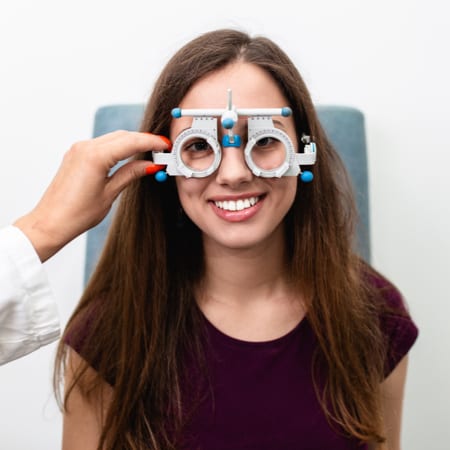
A comprehensive eye exam can identify the root cause of your vision symptoms and provide personalized solutions. At Woodstock Vision Care, we’ll determine whether you need glasses, update your current prescription, or explore other treatment options. In many cases, you can walk out with new glasses the same day, getting back to clear, comfortable vision quickly.
Beyond correcting refractive errors, comprehensive eye exams detect early signs of serious health conditions like diabetes, high blood pressure, and glaucoma that can affect your overall well-being. Early detection means better outcomes and more treatment options.
For patients with progressive nearsightedness, especially children and teens, we also offer myopia control treatments to help slow vision changes and protect long-term eye health.
Get A Professional View on Your Eye Health
Your vision affects every aspect of your daily life, from work productivity to personal safety. If you’re experiencing any of these signs, don’t wait for symptoms to worsen. Early detection and treatment can help preserve your vision and improve your quality of life.At Woodstock Vision Care, we offer comprehensive eye exams for individuals and families looking to get more out of life.
Book your appointment today and see the world in high definition again.